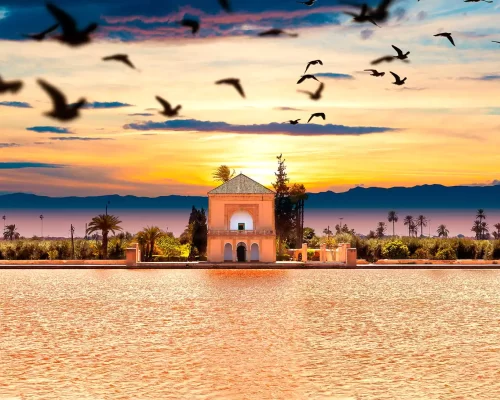
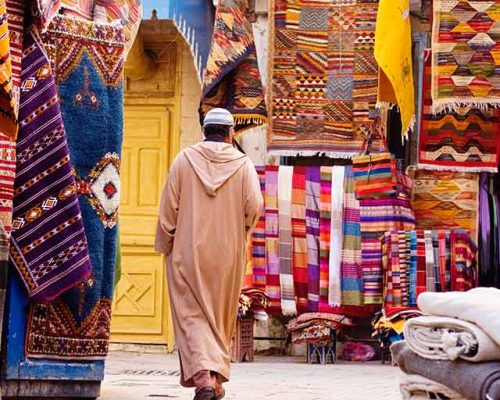
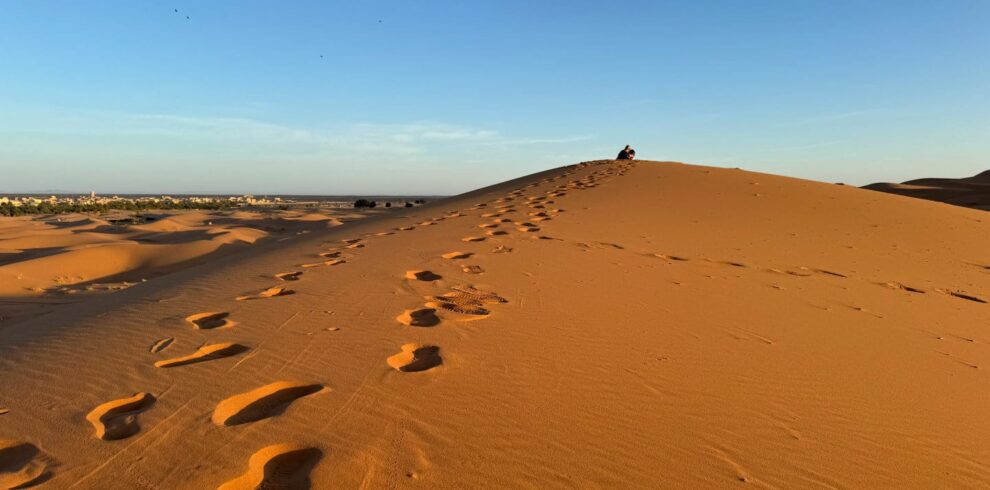
Discover the perfect blend of adventure, culture, with our exclusive 8-day private Morocco tour from Marrakech. This carefully curated 8-day Morocco itinerary is designed for discerning travelers who desire a comprehensive yet intimate experience of Morocco’s greatest highlights, all from the comfort of a private vehicle with a dedicated local driver. From the moment you are greeted at Marrakech airport, your personalized journey unfolds: explore the vibrant souks and historic medinas, cross the majestic High Atlas Mountains to reach Hollywood-famous Ait Benhaddou, and witness the surreal beauty of the Sahara Desert during an unforgettable overnight stay in a luxury Berber camp. Your private tour continues to the ancient imperial city of Fes and Morocco's modern coastal gems before concluding back in Marrakech. With flexibility built into each day, our 8-day private Morocco tour from Marrakech promises not just a sightseeing trip, but a deep, authentic, and seamless immersion into the heart and soul of the country. Secure your private adventure now and let us craft your dream Moroccan narrative.
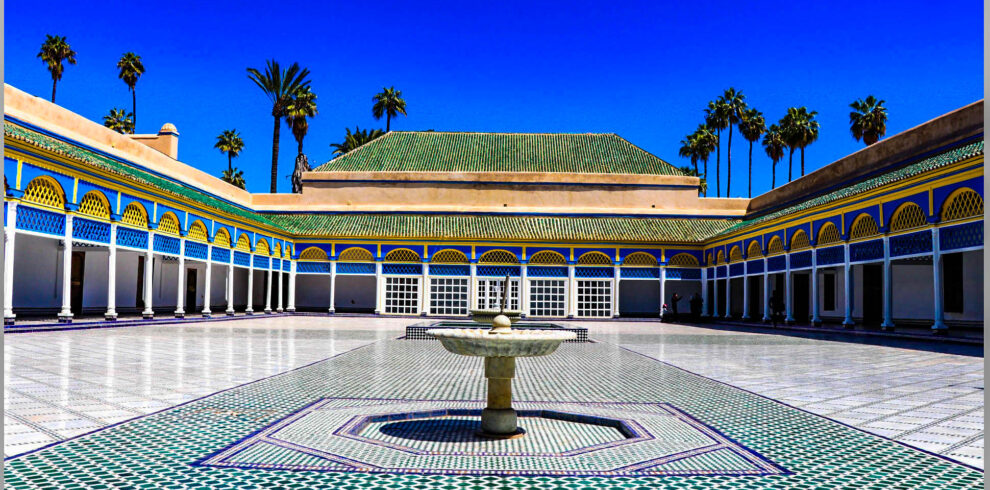
Our 15-Day Grand Morocco Tour Itinerary is more than a trip; it's a deep cultural immersion designed for the discerning traveler. This journey connects you with the living history and warm spirit of Morocco. Walk where ancient Romans built their empire in Volubilis, stand in the world's oldest university in Fez, and hear the spiritual rhythms of Gnawa music in the desert. You'll share sweet mint tea with nomadic families, learn the secrets of aromatic spice souks, and barter for handicrafts in bustling medinas. From the imperial grandeur of Marrakech and Rabat to the artistic soul of Essaouira and the breathtaking beauty of the "Blue Pearl," Chefchaouen, this tour offers authentic encounters and unforgettable memories, ensuring you don't just see Morocco—you experience it.
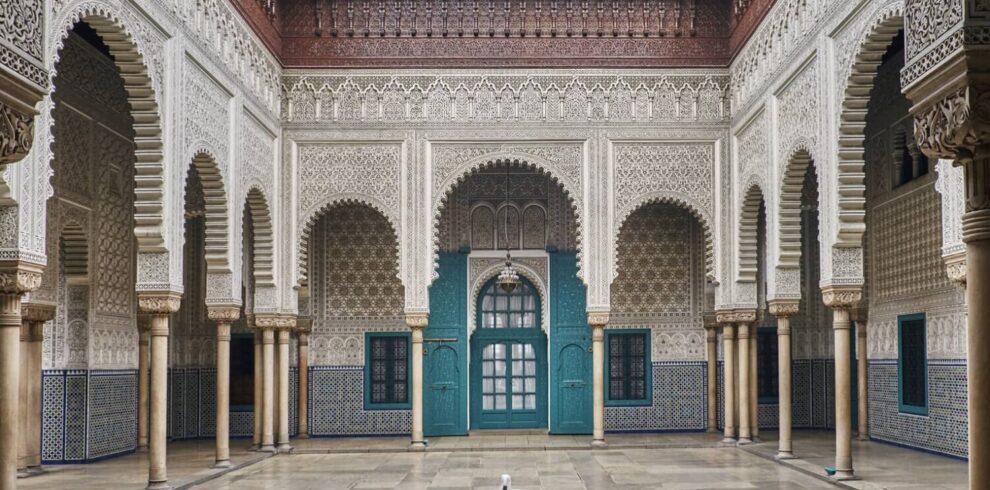
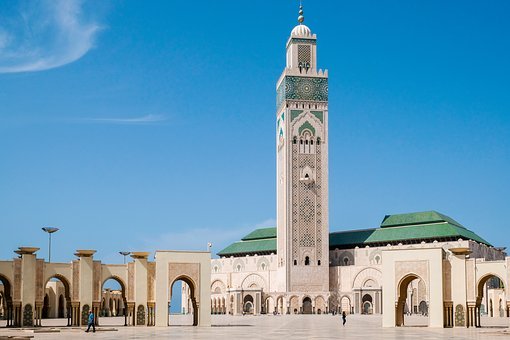
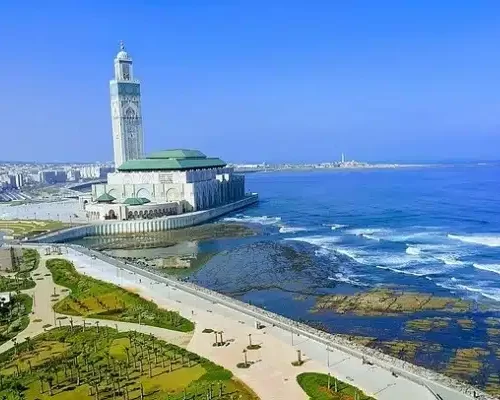
Discover the Best of Morocco with an Unforgettable Casablanca City Tour A Casablanca City Tour is the perfect way to explore Morocco’s vibrant economic capital, blending rich history, stunning architecture, and modern energy. This expertly curated experience takes you to iconic landmarks like the awe-inspiring Hassan II Mosque, where the world’s tallest minaret towers over the Atlantic Ocean. Stroll through the Art Deco district, marveling at French-colonial gems, before immersing yourself in the bustling Habous Quarter, a charming blend of traditional souks and artisan workshops. With a knowledgeable English-speaking guide and private transportation, this Casablanca City Tour ensures a seamless, immersive journey—perfect for cruise passengers, layovers, or first-time visitors. Whether sipping coffee at Rick’s Café or admiring panoramic views from Sky 28, this tour captures the essence of Casablanca in just 4 hours. Book your Casablanca City Tour today and uncover the magic of Morocco’s most dynamic city! Why Choose This Casablanca City Tour? ✔ Top-rated guides for deep cultural insights ✔ Private, air-conditioned transport for comfort ✔ Perfect for cruise stopovers with guaranteed on-time return ✔ All entrance fees included – no hidden costs Experience the best of Casablanca hassle-free—your day tour starts here!
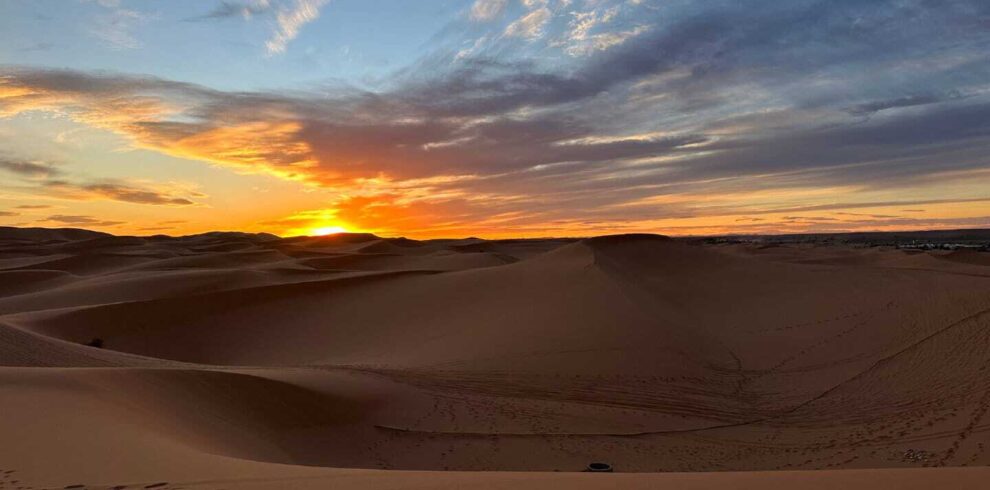
24-day Morocco Grand Tour: From imperial cities to Sahara Adventures Our 24-day Morocco Grand Tour was carefully designed to display the most recognized sites in the country, on a lifetime journey. Start in Tangier, where the Mediterranean attraction comes from the African spirit, then travels through the RIF mountain into the picturesque blue street in the chafchaouen. Explore the medieval medina of FES, ride camels on the golden tibba of Merzouga, and discover the distant beauty of Arg Chegaga. Cross the wonderful dads and draw valleys, go to the Hollywood-famous Orzazet, and experience the lively culture of Marakech. With stops in coastal pearls such as Essaouira and Agadir, as well as the historical capital of Rabat, it provides the perfect balance in all-APEXY Moroccan tour adventure, culture and relaxation. Whether you are looking for ancient Kasbah, traveling through dramatic Gors or drinking coin tea under desert stars, a new unforgettable experience brings every day. Why our 24-day Morocco Grand Tour stands out Our 24-day Morocco Grand Tour is more than just a trip-there is a deep dive in the heart of the most captivating country in North Africa. Unlike little tourism, this the Broad Journey program ensures that you do not miss one thing, from Sahara to the robust peaks of the Atlas mountain and the cool beaches on the Atlantic coast. Enjoy personal attention with private guides, luxurious desert clay and hold in hand -picking riad and boutique hotels. The highlights include UNESCO-stocked cities, Berber Village Tour, fossil hunting in the desert and even Taroudant, a day-long journey for the hidden mania of Morocco. This Morocco Grand Tour is perfect for single travelers, joints and small groups, and is designed for those who seek authenticity, adventure and lifelong memories.
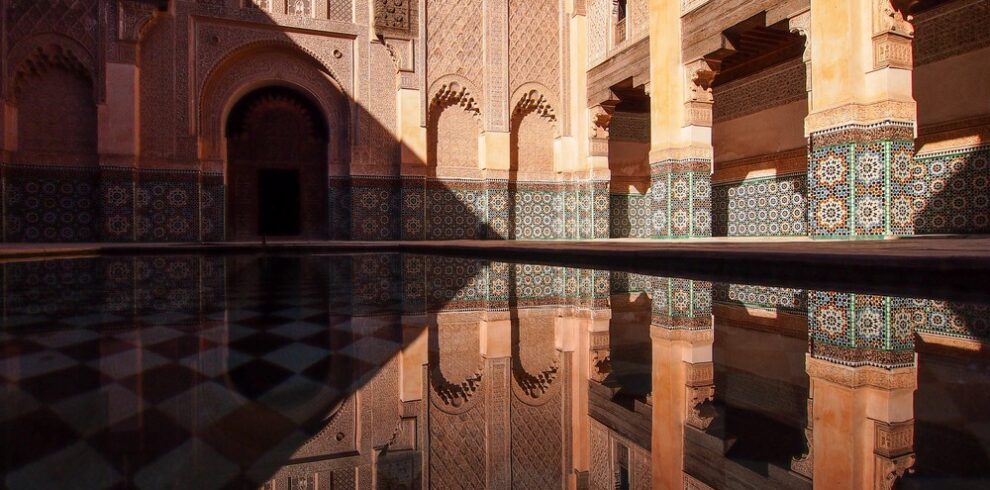
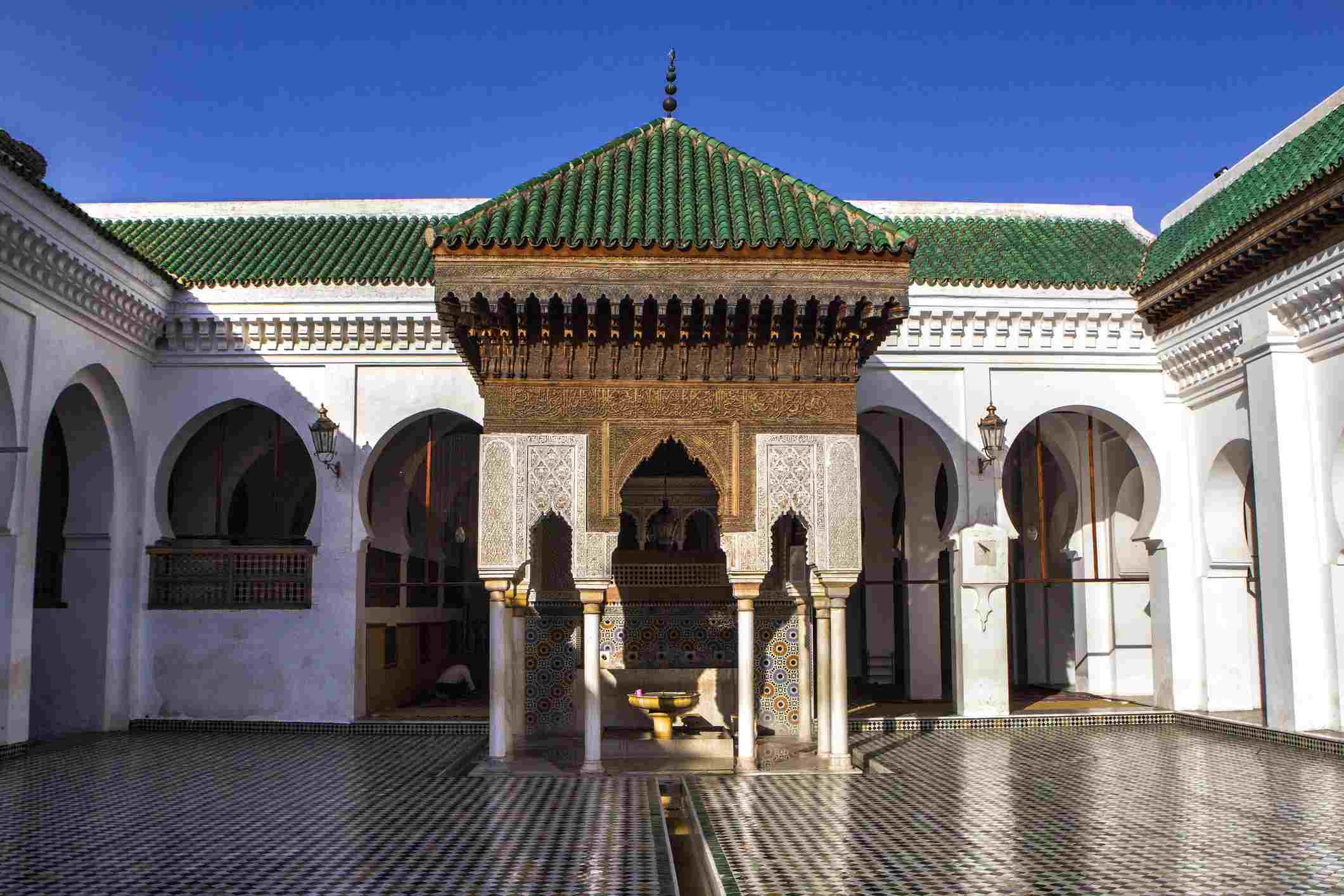
7-Day Imperial Cities Tour from Marrakech to Casablanca – Discover Morocco’s Historic Gems Embark on an unforgettable 7-day Imperial Cities tour through Morocco’s most iconic destinations, starting in vibrant Marrakech and ending in cosmopolitan Casablanca. This carefully crafted itinerary takes you through the country’s four imperial cities—Marrakech, Fes, Meknes, and Rabat—showcasing their rich history, stunning architecture, and vibrant culture. Begin your journey in Marrakech, where you’ll explore the bustling Jemaa el-Fnaa Square, the majestic Bahia Palace, and the ancient Saadian Tombs. A licensed local guide will lead you through the medina’s maze-like alleys, revealing hidden gems and artisan workshops. Next, travel to Rabat, Morocco’s modern capital, to visit the Hassan Tower, the Kasbah of the Udayas, and the fascinating Chellah Necropolis. Continue to Meknes, a UNESCO-listed imperial city, where you’ll marvel at Bab Mansour and the grand Moulay Ismail Mausoleum. En route to Fes, stop at the Roman ruins of Volubilis, a testament to Morocco’s ancient past. In Fes, a half-day guided tour takes you through the world’s oldest university, Al Quaraouiyine, and the famous Chouara Tanneries, where leather has been dyed for centuries. Conclude your journey in Casablanca, where you’ll visit the awe-inspiring Hassan II Mosque, perched dramatically over the Atlantic Ocean. With comfortable transportation, expert driver assistance, and handpicked guided tours in Marrakech and Fes, this 7-day Imperial Cities itinerary offers the perfect blend of history, culture, and adventure. Book now and immerse yourself in Morocco’s imperial grandeur! Best for: History lovers, cultural explorers, and first-time visitors to Morocco. Highlights: Guided medina tours, Roman ruins, royal palaces, and UNESCO World Heritage Sites. Why Choose This Tour? Hassle-free travel with a private driver, carefully selected guided experiences, and a perfect mix of sightseeing and free time.
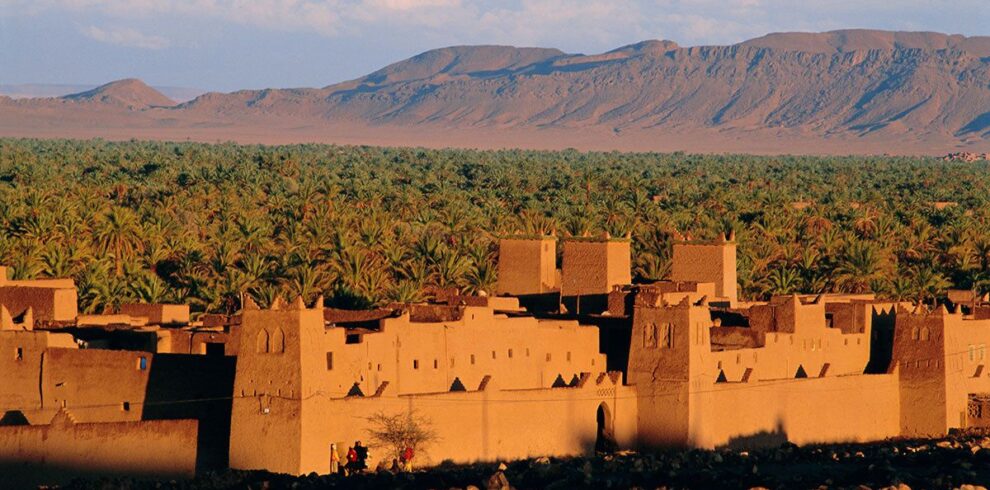
Indulge in an extraordinary Luxury Sahara Desert Escape from Marrakech, where the magic of Morocco unfolds across Ouarzazate’s cinematic landscapes, the lush Draa Valley, and the remote golden dunes of Erg Chegaga. Designed for discerning travelers, this exclusive journey features private luxury 4x4 transfers, stays in lavish desert camps with private butler service, and gourmet Moroccan cuisine under a canopy of stars. Traverse the legendary Tizi n’Tichka Pass, explore ancient kasbahs, and glide across Erg Chegaga’s pristine sands on a sunset camel trek with champagne in hand. This luxury Sahara Desert escape from Marrakech is more than an adventure—it’s a transcendent retreat into the heart of Morocco’s most captivating wilderness
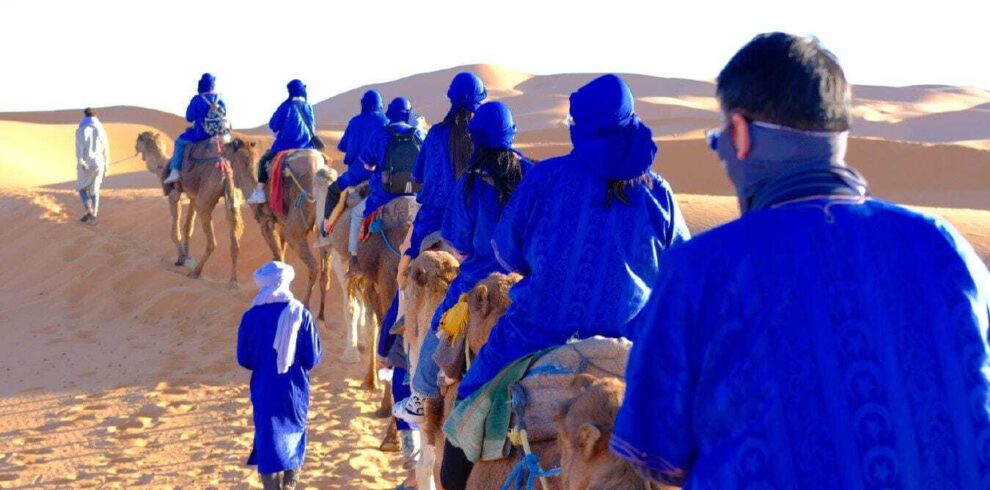
The Perfect 7-Day Morocco Tour Itinerary from Marrakech: A Journey Through Time & Landscapes Embark on an unforgettable adventure with our carefully designed 7-Day Morocco Tour Itinerary from Marrakech, taking you through the country's most spectacular sights and immersive cultural experiences. This expertly crafted journey combines the perfect balance of guided exploration and free time, ensuring you experience Morocco's essence while traveling at a comfortable pace. What makes this 7-Day Morocco Tour Itinerary from Marrakech truly special is its comprehensive route that covers: The vibrant energy of Marrakech's historic medina The breathtaking Atlas Mountain landscapes The awe-inspiring Sahara Desert The medieval charm of Fes The coastal beauty of Casablanca Each day of your Morocco tour brings new wonders: Arrive in magical Marrakech Discover the Red City's iconic landmarks Cross the High Atlas to desert oases Experience a Sahara Desert overnight Journey to imperial Fes Explore Fes' ancient medina Conclude in cosmopolitan Casablanca Our 7-Day Morocco Tour Itinerary from Marrakech stands out because: ✓ We include all must-see destinations without feeling rushed ✓ You'll travel in comfort with private transportation ✓ We've selected authentic, quality accommodations ✓ Local expert guides enhance every experience ✓ There's flexibility for personal exploration This Morocco tour is perfect for: • First-time visitors wanting a comprehensive introduction • Return travelers looking to see more of the country • Families seeking an educational adventure • Couples wanting a romantic getaway • Solo travelers looking for a well-structured journey "Travelers consistently rate this 7-Day Morocco Tour Itinerary from Marrakech as their perfect introduction to Morocco, combining iconic sights with authentic local experiences." Book your 7-Day Morocco Tour Itinerary from Marrakech today and get ready for: ✔ Breathtaking desert sunsets ✔ Fascinating cultural encounters ✔ Delicious Moroccan cuisine ✔ Comfortable, stress-free travel ✔ Memories that will last a lifetime Don't just visit Morocco - experience it deeply with our expertly designed 7-Day Morocco Tour Itinerary from Marrakech, the ultimate way to discover this magical country in just one spectacular week.
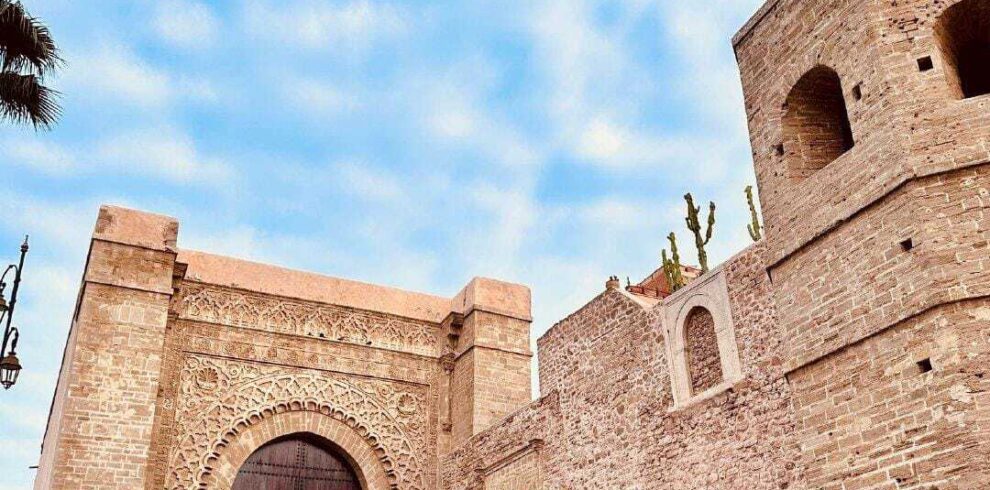
Day Trip from Casablanca to Rabat – Explore Morocco’s captivating capital with Morocco Friendly Travel on a seamless private tour. This Casablanca to Rabat day trip offers a luxury A/C car with an English-speaking driver, ensuring comfort and convenience as you discover Rabat’s top attractions, including the Hassan Tower, Kasbah of the Udayas, and Chellah Necropolis. Perfect for private tours from Casablanca, our customizable itinerary allows you to experience Morocco’s cultural heritage, historic sites, and scenic views at your own pace. Whether you want a guided tour of Rabat, a shopping stop in the Medina, or a relaxing coastal visit, this one-day trip from Casablanca covers it all. Book your best Rabat day tour today for an unforgettable Morocco travel experience with door-to-door service, flexible scheduling, and expert local insights!
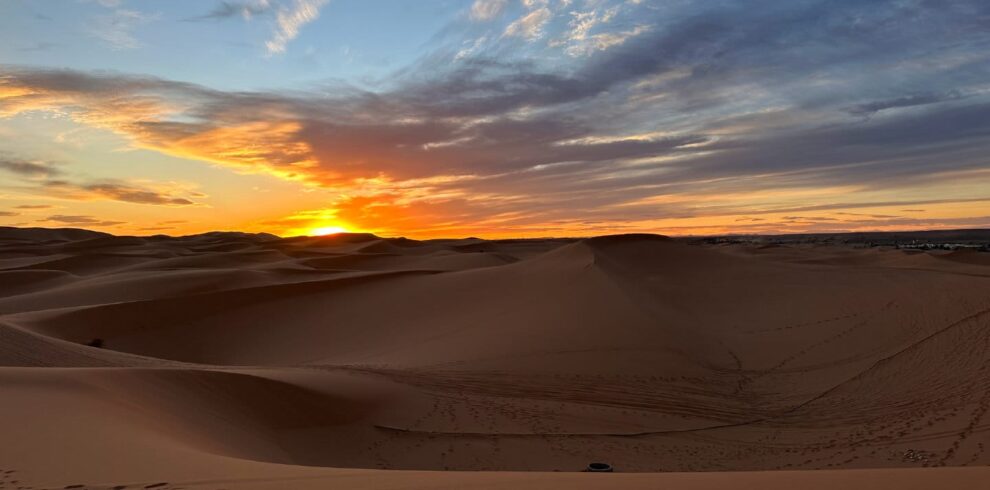
Experience the ultimate Morocco 15-Day Tour from Casablanca Itinerary, covering imperial cities, Sahara dunes, and coastal gems. This best-selling itinerary includes Fes medina, Erg Chebbi camel trek, Ait Ben Haddou, and Essaouira. Private guides, desert camps, and luxury riads included.
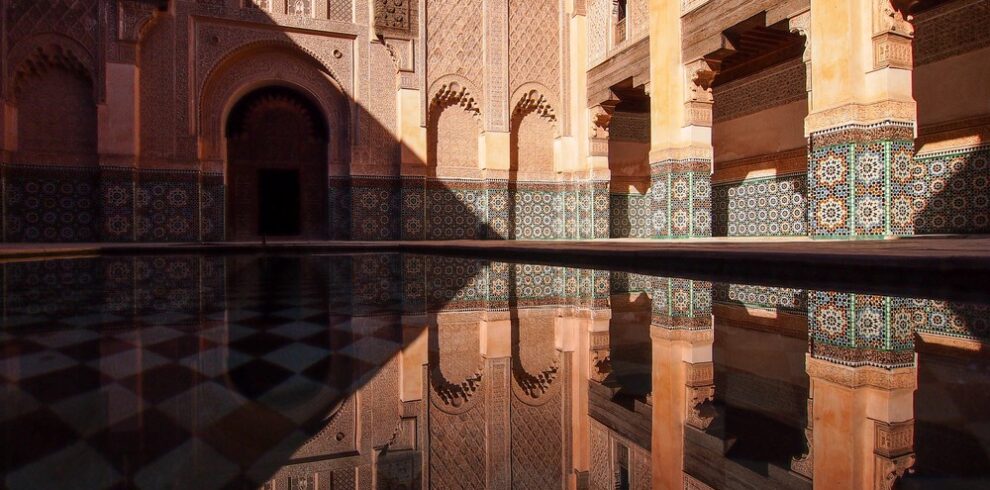
10 Day Morocco Tour from Casablanca offers an unforgettable journey through Morocco’s imperial cities, Sahara Desert, and vibrant culture. This Morocco desert tour takes you from Casablanca to Marrakech, exploring Chefchaouen’s blue streets, Fes’ ancient medina, and the golden dunes of Merzouga. Experience a camel trek in Erg Chebbi, stay in a luxury desert camp, and visit UNESCO sites like Ait Ben Haddou. Perfect for travelers seeking a Morocco cultural tour with a mix of adventure, history, and stunning landscapes. Book this 10-day Morocco itinerary for an immersive Morocco private tour or small-group experience, including Rabat, Chefchaouen, Fes, and Marrakech highlights."
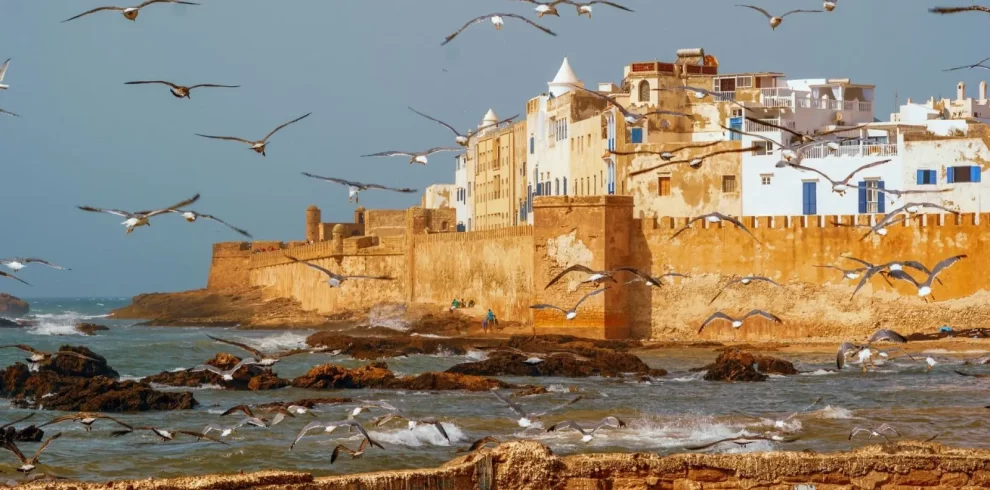
An Essaouira day trip from Marrakech is the perfect escape from the bustling Medina, offering a refreshing blend of history, culture, and coastal charm. This Marrakech to Essaouira excursion takes you on a scenic 2.5-hour drive through stunning argan forests, where you might spot goats climbing the trees! Once in Essaouira, a UNESCO-listed port city, explore its iconic blue-and-white medina, stroll along the historic Skala de la Ville fortress, and savor the freshest seafood at the bustling harbor. Whether you're browsing artisan workshops for handcrafted thuya wood souvenirs, relaxing on the sandy beach, or enjoying a camel ride along the Atlantic coast, this day trip to Essaouira from Marrakech promises an unforgettable experience. With its laid-back vibe, ocean breezes, and rich heritage, Essaouira is a must-visit destination for travelers seeking a Moroccan coastal adventure. Book your Essaouira tour from Marrakech today and immerse yourself in the beauty of this enchanting seaside town!
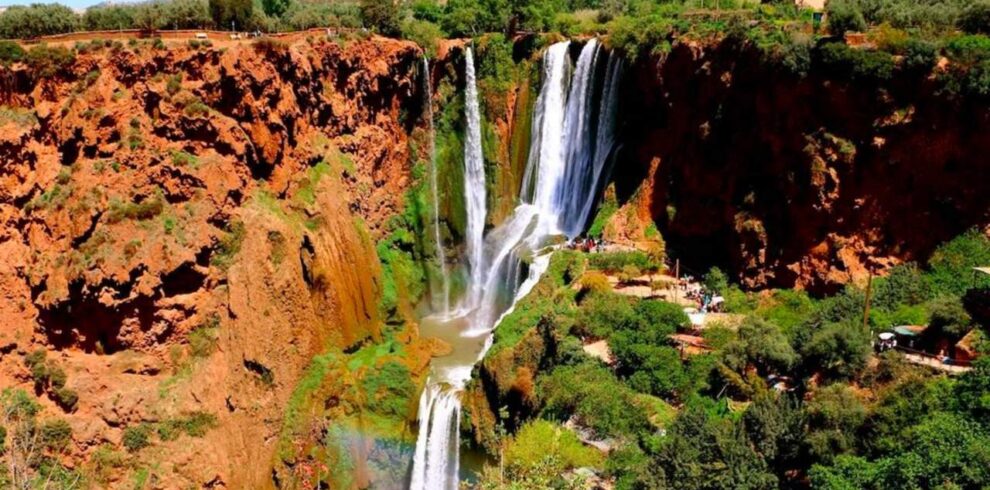
Ouzoud Waterfalls day trip from Marrakech is the perfect way to experience Morocco’s natural beauty. Just 2.5 hours from Marrakech, these stunning 110-meter cascades offer breathtaking views, refreshing natural pools, and opportunities for hiking, swimming, and boat rides. Along the way, enjoy a scenic drive through the Atlas Mountains and Berber villages, spot playful Barbary macaques, and savor a traditional Moroccan lunch by the river. Whether you’re an adventure seeker or a nature lover, a Ouzoud Waterfalls day trip promises an unforgettable escape from the city. Book your trip with Morocco Friendly Travel and discover why Ouzoud is one of Morocco’s most iconic destinations!

Unforgettable Dinner Experience in the Agafay Desert, Morocco Indulge in an authentic Moroccan dinner in the heart of the Agafay Desert with Morocco Friendly Travel. This magical evening offers a unique blend of Moroccan culture, cuisine, and desert charm. Enjoy a delicious traditional meal, surrounded by the vastness of the desert landscape, and experience captivating live entertainment under a starlit sky. Perfect for those seeking adventure, romance, or a cultural escape, our Agafay Desert Dinner tour provides an exclusive, memorable experience. Book your desert dinner today and immerse yourself in the beauty of Morocco’s Agafay Desert.
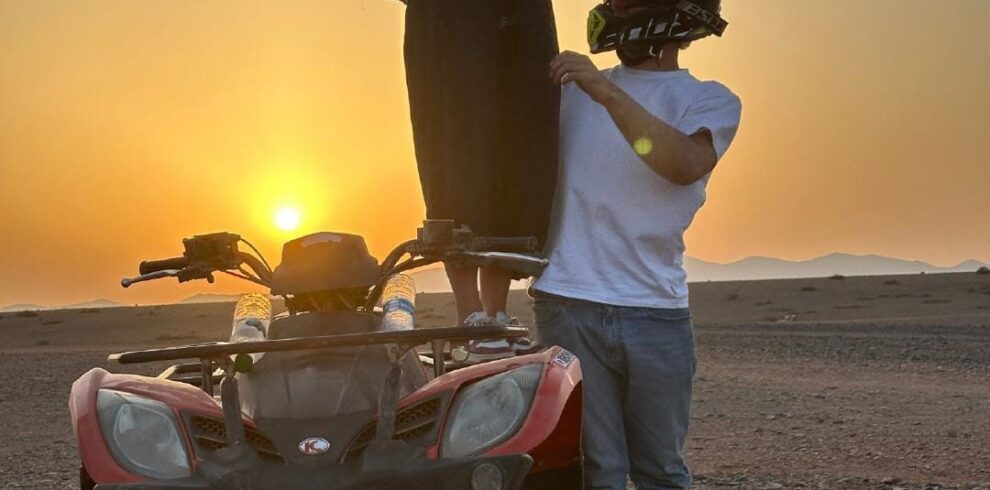
Get ready for an exhilarating quad biking in the Agafay Desert, one of Morocco's most stunning and unique landscapes. Just a short drive from Marrakech, the Agafay Desert is known for its rugged terrain, vast rocky plains, and panoramic desert views, offering the perfect backdrop for an exciting ATV ride. Whether you're a seasoned rider or a beginner, this thrilling quad biking tour allows you to experience the desert's natural beauty up close while navigating its fascinating dunes and trails. With expert guides to ensure your safety and enjoyment, the Agafay Desert quad biking experience is the ultimate outdoor activity for adventure enthusiasts looking to explore Morocco's desert landscape in style. Don't miss out – book your quad biking in Agafay Desert today for an unforgettable experience!
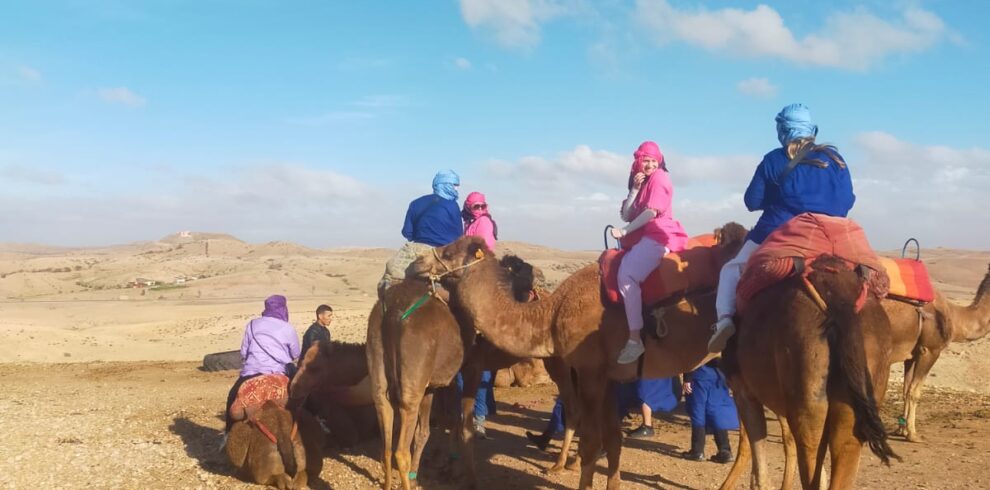
Experience the Best Camel Ride in Agafay Desert, Marrakech, Morocco Discover the beauty of Morocco's Agafay Desert with an unforgettable camel ride near Marrakech. This unique desert experience takes you through stunning landscapes, offering breathtaking views of golden dunes and the Atlas Mountains. Whether you're a first-time visitor or a seasoned traveler, this camel riding tour in Agafay Desert provides an authentic and peaceful escape from the city. Enjoy the serene atmosphere as you journey across the desert on a traditional camel, with expert guides sharing the history and culture of the region. Perfect for solo travelers, couples, and families, this tour includes a refreshing stop for traditional Moroccan tea in a Berber tent, ensuring a complete Moroccan experience. Book your Agafay Desert Camel Ride today for a once-in-a-lifetime adventure in Marrakech!
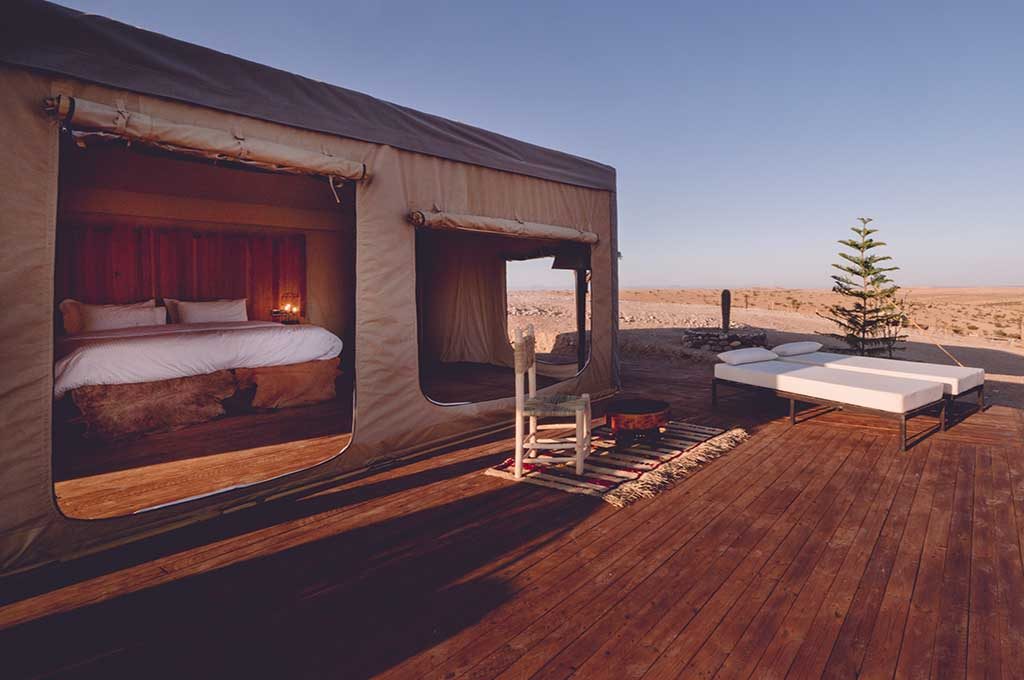
Experience the magic of the Agafay Desert Overnight stay with an unforgettable overnight tour from Marrakech. Depart at 16:00 for a scenic drive to the desert camp, where you’ll enjoy a mesmerizing golden sunset. Relish a traditional Moroccan dinner and unwind around a campfire, perfect for stargazing under a pristine sky. Wake up early to witness a stunning sunrise before enjoying a delicious breakfast. Optional activities such as camel riding, quad biking, buggy experiences, guided stargazing, and cooking classes add to the adventure. This Agafay Desert trip promises an incredible mix of adventure, relaxation, and Moroccan culture.

A three-day tour from Marrakech to the Erg Chigaga desert is a fantastic way to experience the beauty of Morocco, from the bustling city to the serene Sahara. Here's a suggested itinerary for your trip: Day 1: Marrakech to Zagora (or M'Hamid) Morning: Depart from Marrakech early in the morning. You'll cross the High Atlas Mountains via the Tizi n'Tichka pass (2,260m), enjoying stunning views of Berber villages and rugged landscapes. Lunch: Stop for lunch in Ouarzazate, known as the "Gateway to the Desert." You can visit the Taourirt Kasbah or the Atlas Film Studios if time permits. Afternoon: Continue through the Draa Valley, famous for its lush palm groves and ancient kasbahs. Arrive in Zagora or M'Hamid, the last town before the desert. Evening: Spend the night in a guesthouse or desert camp near Zagora. Enjoy a traditional Moroccan dinner and relax under the stars. Day 2: Zagora to Erg Chigaga Desert Morning: After breakfast, embark on a 4x4 or camel trek into the Erg Chigaga dunes. These are the largest and most remote dunes in Morocco, offering a more authentic and peaceful experience compared to the more touristy Erg Chebbi. Lunch: Enjoy a picnic lunch in the desert or at a nomadic camp. Afternoon: Continue your journey through the desert, passing by dry lake beds (Iriki Lake), oases, and fossil sites. Arrive at your luxury desert camp in Erg Chigaga. Evening: Experience the magic of the Sahara with a traditional Berber dinner, followed by music and storytelling around the campfire. Spend the night in a comfortable tent or under the stars. Day 3: Erg Chigaga to Marrakech Morning: Wake up early to watch the sunrise over the dunes. After breakfast, begin your journey back to Marrakech. Lunch: Stop for lunch in Foum Zguid or Taznakht, known for their Berber carpets and handicrafts. Afternoon: Continue driving through the Anti-Atlas Mountains and the High Atlas, enjoying the scenic landscapes. Evening: Arrive back in Marrakech in the late afternoon or early evening. What to Bring: Comfortable clothing for warm days and cool nights. Sunscreen, sunglasses, and a hat. A scarf or shawl to protect against sand and wind. A camera to capture the stunning landscapes. Cash for souvenirs, tips, and additional expenses.
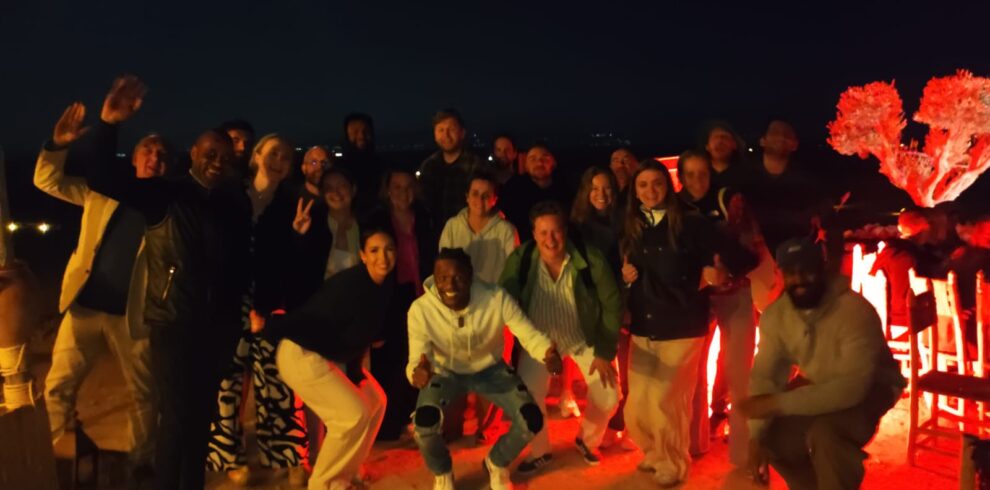
A 4-Day Erg Chegaga Sahara Desert Tour offers an unforgettable adventure into the heart of Morocco’s stunning Sahara Desert. This immersive journey takes you from the vibrant city of Marrakech to the serene dunes of Erg Chegaga, where you’ll experience the vast, golden landscapes that stretch as far as the eye can see. # Over four days, travelers can enjoy camel treks, 4x4 excursions, and tours through traditional Berber villages, discovering the rich culture and history of the desert. The tour includes overnight stays in luxurious desert camps under the star-filled sky, providing a truly authentic experience. With mesmerizing sunrises, sunsets, and the peaceful silence of the desert, the 4-Day Erg Chegaga Sahara Desert Tour is the perfect way to explore Morocco’s natural beauty and cultural heritage.
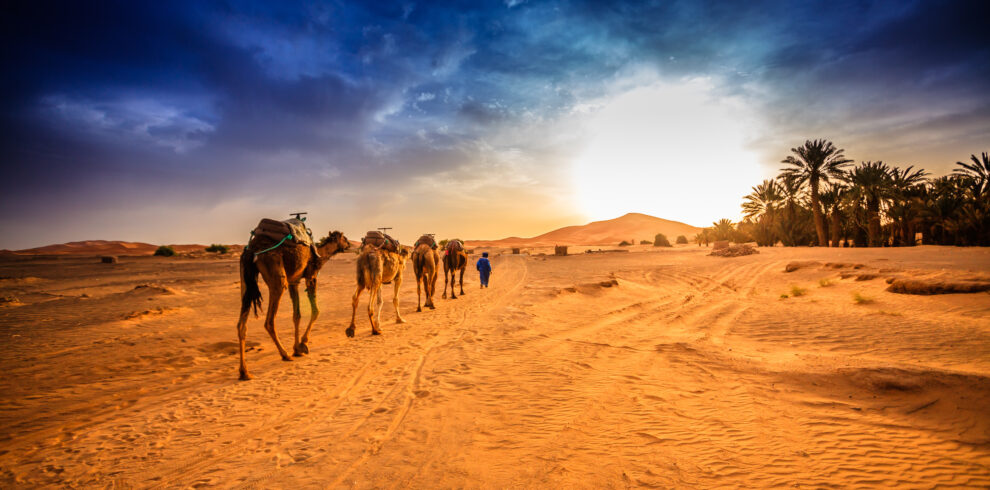
Experience the magic of Morocco on a 3-day desert tour from Marrakesh to Merzouga, a journey that takes you from the vibrant streets of Marrakech to the serene beauty of the Sahara Desert. Begin your adventure by crossing the High Atlas Mountains, where you’ll witness stunning landscapes, traditional Berber villages, and the dramatic Tizi n'Tichka pass. Explore the ancient Ait Ben Haddou, a UNESCO World Heritage Site and a backdrop for famous films, before continuing to Ouarzazate, the heart of Morocco’s film industry. Spend your first night in the breathtaking Dades Valley, surrounded by towering rock formations and lush oases. On day two, visit the awe-inspiring Todra Gorge, a natural wonder perfect for hiking and photography, before arriving in Merzouga, where the golden dunes of the Sahara Desert await. Embark on a memorable camel trek across the Erg Chebbi dunes, watch the sun set over the sands, and spend the night in a luxurious Berber desert camp, complete with traditional music, delicious Moroccan cuisine, and a sky full of stars. On the final day, wake up to a magical sunrise, explore the historic town of Rissani, and journey back to Marrakech through the scenic Draa Valley and High Atlas Mountains. This 3-day desert tour is the ultimate escape, offering a perfect blend of adventure, culture, and natural beauty that will leave you with memories to last a lifetime.
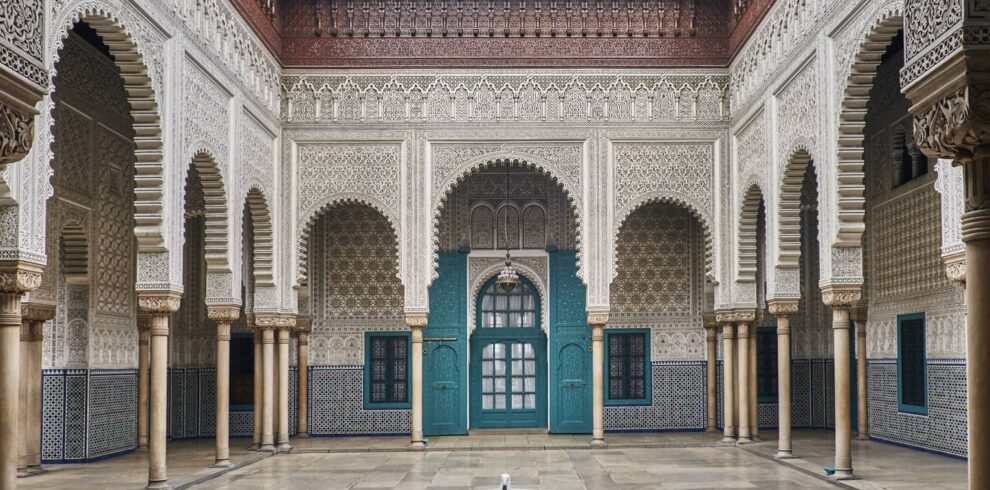
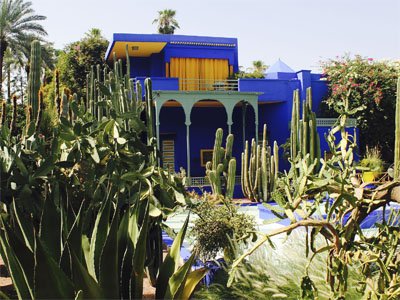
Discover the magic of Morocco with this immersive 9-Day Morocco Tour Itinerary, designed to showcase the country’s most iconic destinations, cultural treasures, and natural wonders. Your journey begins in Casablanca, where you’ll visit the awe-inspiring Hassan II Mosque and stroll along the scenic Corniche. From there, travel to the charming blue city of Chefchaouen, with a stop in Rabat to explore its historical landmarks, including the Royal Palace and the Oudayas Kasbah. Continue to Fes, Morocco’s cultural heart, where you’ll wander through the UNESCO-listed medina, visit the ancient Al Quaraouiyine University, and witness the vibrant tanneries. Next, venture into the Sahara Desert, where you’ll ride a camel across the golden dunes of Erg Chebbi and spend a magical night in a desert camp under the stars. Journey through the dramatic Todra Gorge and the lush Dades Valley, known for its stunning landscapes and ancient kasbahs. Arrive in Marrakech, a city of contrasts, where you’ll explore the lively Jemaa el-Fnaa square, the tranquil Majorelle Garden, and the historic Saadian Tombs. Your 9-Day Morocco Tour Itinerary concludes with a departure from Marrakech, leaving you with lasting memories of Morocco’s rich history, vibrant culture, and breathtaking scenery. This well-crafted itinerary offers the perfect blend of adventure, relaxation, and discovery, making it an ideal way to experience the best of Morocco in just over a week.
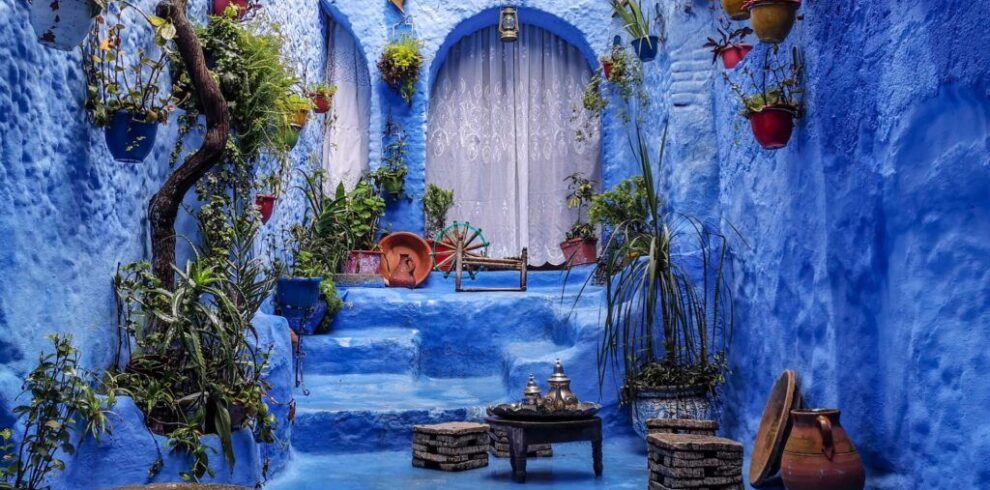
A 10-day Morocco tour offers the ultimate adventure through one of the most captivating countries in North Africa. From the lively city of Marrakech, you'll journey through the stunning Atlas Mountains, visit the magical Sahara Desert, and explore the vibrant culture of Fes and Chefchaouen. This tour is designed to immerse you in Morocco’s rich history, scenic landscapes, and diverse traditions. Whether you're trekking through the dunes of the desert, navigating the ancient streets of the medina, or savoring traditional Moroccan cuisine, each day will bring a new and exciting experience. Don’t miss the chance to discover Morocco’s hidden gems on this unforgettable 10-day tour.
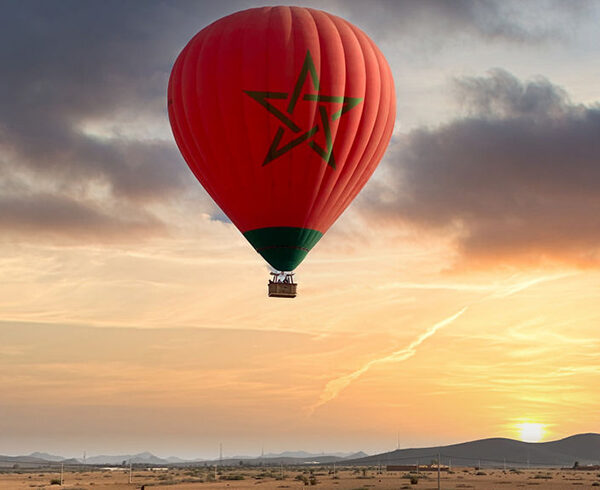
Experience the thrill of a Hot Air Balloon Ride Over Marrakech, one of the most unforgettable adventures in Morocco. Soar above the vibrant city of Marrakech and enjoy breathtaking views of the Atlas Mountains, lush palm groves, and the stunning desert landscape. This 1-hour hot air balloon ride is perfect for couples, families, and adventure seekers looking for a unique way to explore Marrakech. Your journey begins with an early morning hotel pickup, followed by a safety briefing at the launch site. As the sun rises, you'll take off and float peacefully over the city, capturing incredible photos and memories. After your flight, celebrate with a traditional Moroccan breakfast and receive a personalized flight certificate as a souvenir. With hotel pickup and drop-off included, this hot air balloon ride offers a hassle-free and magical experience. Book your Marrakech balloon tour today and create memories that will last a lifetime!
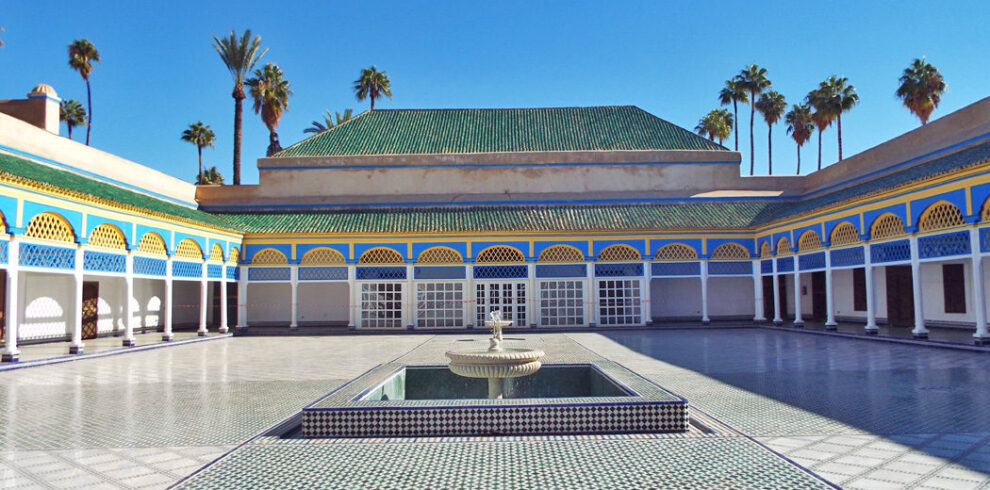
Discover the magic of Morocco with this 12 Day Cultural Historical Adventure Tour in Morocco From Marrakech, taking you through ancient cities, breathtaking landscapes, and UNESCO World Heritage Sites. Explore the bustling medinas of Marrakech and Fes, marvel at the stunning Aït Benhaddou Kasbah, and experience a once-in-a-lifetime camel trek in the Sahara Desert. Wander through the picturesque blue streets of Chefchaouen, visit the imperial cities of Rabat and Casablanca, and unwind in the coastal beauty of Essaouira. This carefully curated itinerary blends history, culture, and adventure, offering guided city tours, luxury desert camping, traditional Moroccan cuisine, and comfortable stays in authentic riads. Whether you're fascinated by Morocco’s rich heritage or seeking an immersive travel experience, this 12-day Morocco tour is the perfect way to explore the best of North Africa.
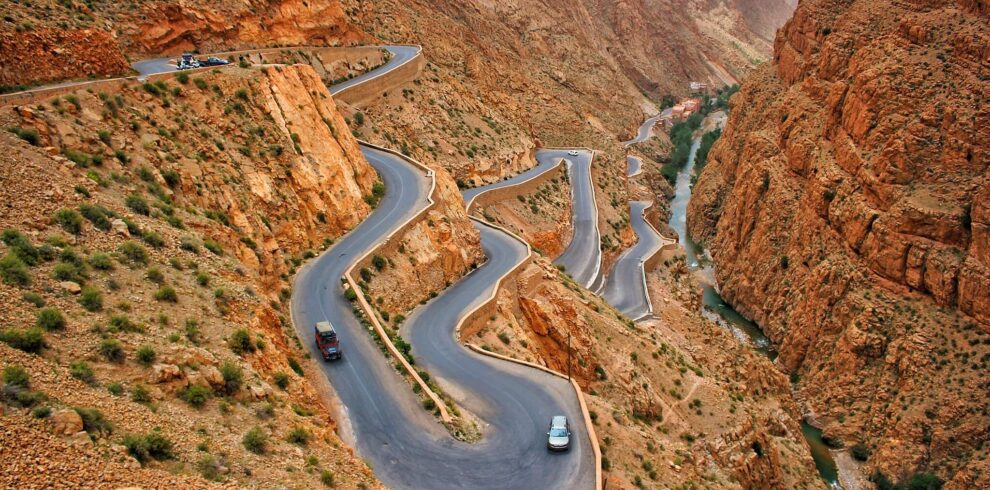
Discover the beauty of Morocco with our 3 days Fes to Marrakech desert tour, an unforgettable journey through the Sahara Desert, Atlas Mountains, and ancient kasbahs. Travel from Fes to Merzouga, where you'll experience a camel trek across the stunning Erg Chebbi dunes and spend a magical night in a luxury desert camp under the stars. Explore the dramatic landscapes of Todra Gorges, Dades Valley, and the famous Ait Benhaddou, a UNESCO World Heritage site. Enjoy the comfort of an air-conditioned 4x4 or minibus or van, guided by local experts english spaking driver who will introduce you to the rich culture and history of Morocco. Whether you're looking for adventure, breathtaking scenery, or a deep cultural experience, this 3 days Fes to Marrakech desert tour is a must-do. Book now and experience the magic of the Sahara!
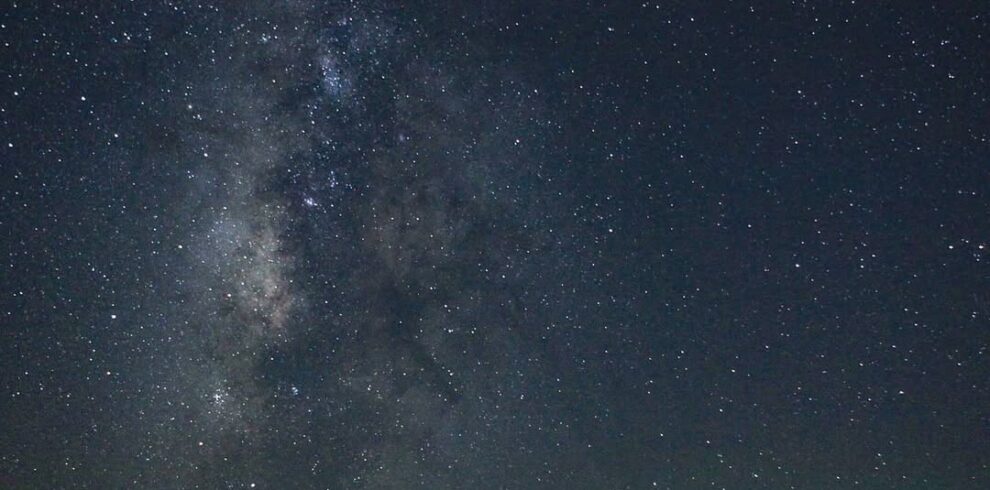
Stargazing in Agafay Desert offers a panoramic revel in, making it a high destination for astronomy fanatics and nature fans. Nestled just out of doors of Marrakesh, this rocky desolate tract gives an unpolluted, crystal-clear night time sky ideal for looking at constellations, planets and meteor showers. The specific panorama of the Agafay Desert, combined with minimal light pollution, lets in for extremely good visibility, making it a really perfect place for each beginner and expert stargazers. Morocco Friendly Travel provide guided superstar tours complete with telescopes and expert knowledge to ensure an unforgettable celestial adventure. Whether you’re interested by taking pictures lovely astrophotography or simply playing the peaceful splendor of the night time sky, stargazing in Agafay Desert is an notable experience that connects you to the significant wonders of the universe.
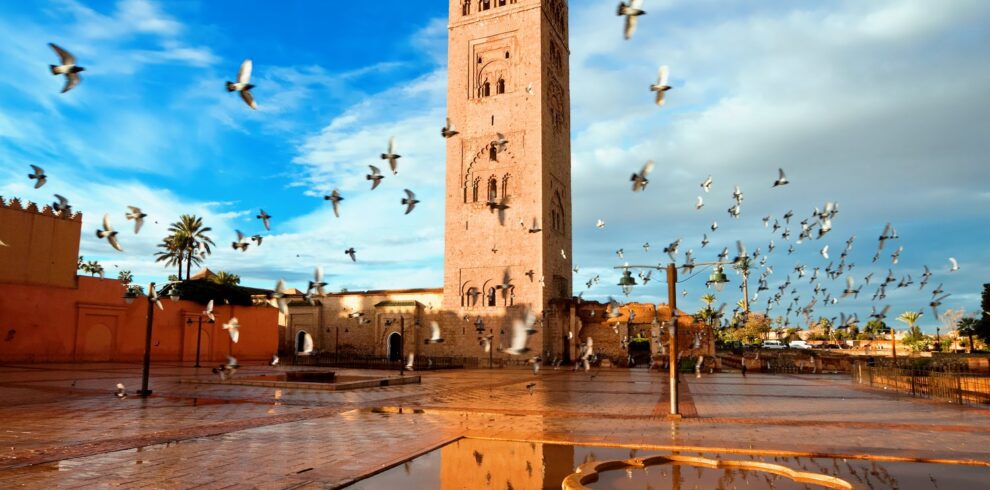
This 9-day 8 night Morocco tour itinerary offers a deep dive into the country’s rich history, stunning landscapes, and vibrant culture. From the bustling city of Marrakech to the serenity of the Sahara Desert, this journey is designed to give you a comprehensive experience of Morocco’s diverse attractions.
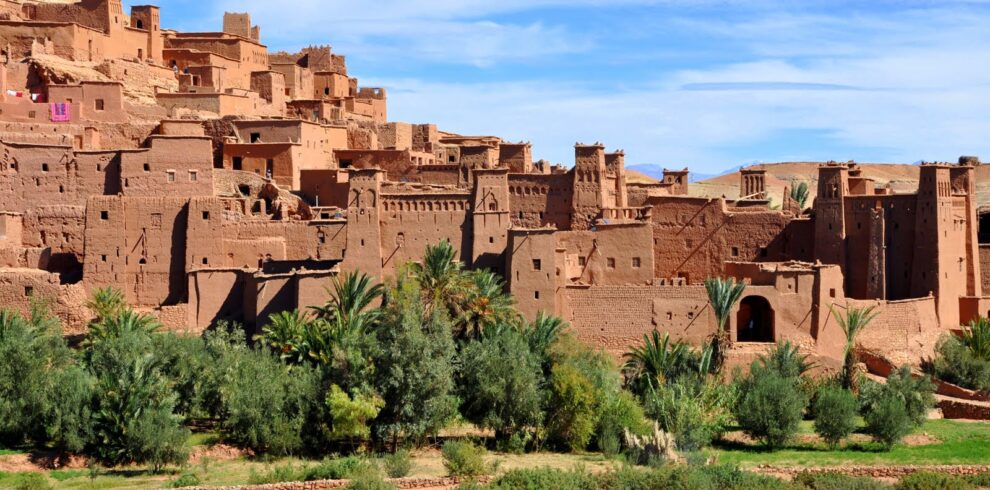
Experience the magic of Morocco with this meticulously crafted 14-days Morocco tour itinerary that showcases the country's diverse landscapes, vibrant culture, and timeless traditions. Begin your adventure in the lively streets of Casablanca before venturing to the imperial cities of Rabat, Meknes, and Fes, where history comes alive in ancient palaces and bustling souks. Traverse the dramatic Atlas Mountains, explore the picturesque blue streets of Chefchaouen, and lose yourself in the golden dunes of the Sahara Desert on a camel trek. From the UNESCO-listed Ait Benhaddou to the vibrant energy of Marrakech, each day offers a new discovery. This 14-day journey is perfect for those seeking an immersive experience, blending adventure, relaxation, and cultural enrichment in one of the world’s most captivating destinations.
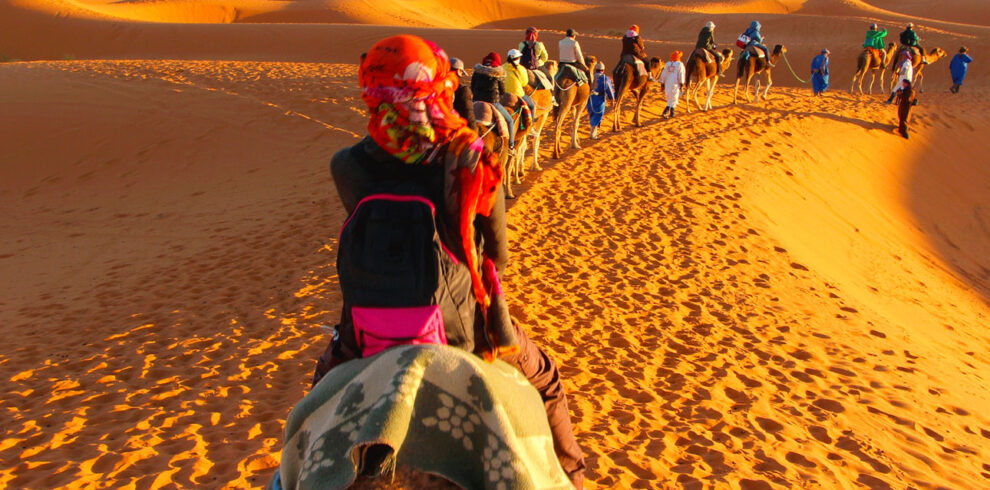
Dreaming of an adventure that crams the magic of Morocco into 2 weeks? You’ve found it. This isn't just another Morocco 12-day itinerary; it’s a meticulously crafted journey designed for travelers who want depth, wonder, and personalization. Our Private Morocco Tour 12-Day is the definitive Morocco tour package for experiencing imperial cities, blue-hued alleys, and golden dunes. Whether you search for a "12 days tour from Casablanca", a "morocco 12 day itinerary", or the best "Morocco trip package 12 day", this is your blueprint for an unforgettable two weeks in Morocco. Why This 12-Day Morocco Tour Itinerary Stands Out Most Morocco 2 week itineraries rush you through. Ours balances iconic sights with immersive experiences. You’ll have a private driver, expert local guides in Fes & Marrakech, and stay in a luxury desert camp under a blanket of stars. It’s a private tour—your pace, your preferences. The Perfect 12 Day Morocco Itinerary: A Day-by-Day Glance This 12 day itinerary Morocco is a complete loop from arrival to departure, maximizing your time and experience. Day 1-2: Arrival & The Blue Pearl Arrive in Casablanca (visit the Hassan II Mosque), then move to the enchanting blue city of Chefchaouen. This start is a gentle immersion into Morocco's beauty. Day 3-4: Imperial History & Ancient Souks Journey through Roman ruins at Volubilis and the imperial city of Meknes before diving into the medieval maze of Fes. A guided tour ensures you don’t miss its cultural heart. Day 5-6: The Sahara Desert Experience The highlight of any Morocco 12 day itinerary. Camel trek into the Erg Chebbi dunes at Merzouga, spend a night in a luxury desert camp, and wake up to a sunrise you’ll never forget. Day 7-8: Gorges, Kasbahs & Hollywood of Africa Explore the dramatic Todra Gorge, travel through the Valley of Roses, and visit the UNESCO world heritage site of Ait Benhaddou before crossing the Atlas Mountains to Marrakech. Day 9-11: Red City & Coastal Charm Discover the secrets of Marrakech with a guide, then enjoy a free day and a refreshing day trip to the windswept, artsy port of Essaouira. Day 12: Departure Transfer to the airport with a lifetime of memories. What’s Included in This All-Encompassing Morocco Tour Package 12 Day? We believe in clarity. Here’s what makes this private Morocco tour seamless: ✅ INCLUDED: Private A/C Vehicle & Driver for the entire 12 days. 11 Nights’ Accommodation (Hotels/Riads + Luxury Desert Camp). Breakfast Daily & Selected Dinners (Desert & Dades). Camel Trek & 4x4 Safari in Merzouga. Guided Tours in Fes & Marrakech. 24/7 Local Support. ❌ NOT INCLUDED: International Flights. Lunches & Most Dinners (Freedom to explore!). Entrance Fees to Monuments. Travel Insurance (Highly Recommended). FAQs: Planning Your 2 Weeks in Morocco Itinerary Q: Is this suitable for first-time visitors to Morocco? A: Absolutely! This 12 day Morocco itinerary is crafted as the perfect highlights adventure trip, covering all essential sights with the comfort and insight of a private tour. Q: Can we customize this Morocco 12 day itinerary? A: Yes! As a private tour, we can adjust stops, accommodations, or pace. Add a night in the desert or a cooking class—just ask. Q: What’s the best time for this 2 weeks in Morocco tour? A: Spring (March-May) and Fall (September-November) offer ideal weather. Summer is hot, especially in the desert, and winter can be chilly at night. Q: Is Morocco safe for this kind of tour? A: Morocco is very safe for tourists. Having a private driver and local guides adds an extra layer of security and ease, especially in medinas.
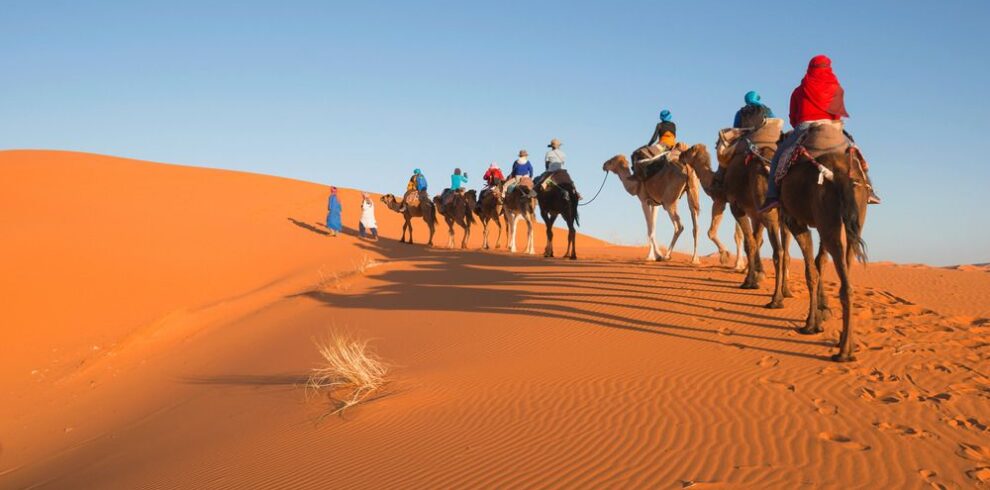
15-Days Morocco Sahara Desert & Imperial Cities Tour from Marrakech Embark on an unforgettable 15-day journey through Morocco, starting from the vibrant city of Marrakech. This tour takes you through the country’s most iconic destinations, including the Sahara Desert and the Imperial Cities of Fes, Meknes, and Rabat. Explore the golden dunes of Merzouga on a camel trek, spend a night under the stars in a desert camp, and discover the rich history of Morocco’s ancient medinas. From the blue streets of Chefchaouen to the dramatic Todra Gorges and the cinematic Ait Benhaddou, this itinerary offers a perfect blend of adventure, culture, and breathtaking landscapes. Whether you’re wandering through bustling souks, hiking in the Atlas Mountains, or relaxing in coastal Essaouira, this 15-day tour promises an immersive experience of Morocco’s diverse beauty and heritage. Perfect for travelers seeking a comprehensive exploration of Morocco’s highlights, this tour is designed to leave you with memories to cherish forever.